

What Is a Neurological Exam and Why Is It Important?
A neurological exam is a comprehensive assessment conducted by a healthcare professional to evaluate the functioning of the brain, spinal cord, and nervous system. It helps diagnose various conditions, such as neurological disorders, brain injuries, or diseases affecting cognitive and motor functions. Dr. Abdusslam Choudry at Internal Medicine and Family Practice offer expert neurological exams to ensure your health is properly monitored and managed. For more information, book an appointment online or contact us. We are located at 1719 Glenwood Ave Joliet, IL 60435.
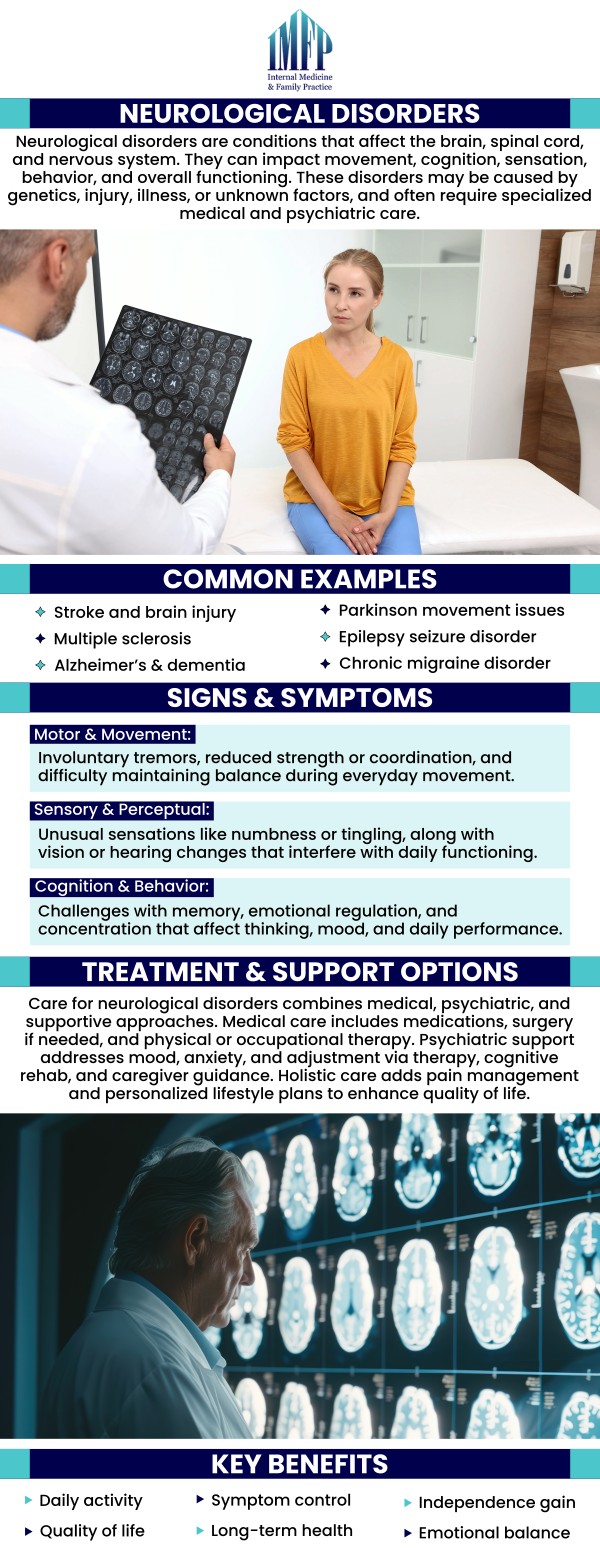
Table of Contents:
Why is a neurological exam performed?
What does a neurological exam usually include?
Do neurological exams require special preparation?
Why might a routine visit include a neurological exam?
How can Dr. Abdusslam Choudry help you understand the importance of a neurological exam?
A neurological exam is performed to assess the function of the nervous system, which includes the brain, spinal cord, and peripheral nerves. The purpose of the exam is to identify any neurological conditions or abnormalities that may be affecting a person’s cognitive function, motor skills, reflexes, or sensory perception. Neurological exams help doctors diagnose a wide range of conditions, such as stroke, brain injuries, multiple sclerosis, and Parkinson’s disease, as well as chronic conditions like migraines or neuropathy.
The exam is essential for understanding the cause of symptoms such as dizziness, headaches, numbness, or weakness, and it can provide crucial information that guides further diagnostic testing or treatment. By performing a thorough neurological exam, doctors can detect early signs of neurological disorders, which may allow for more effective treatment and management of these conditions.
Our team at Internal Medicine and Family Practice emphasizes that a neurological exam is often a preventative measure to ensure patients maintain optimal brain and nervous system health, especially if they are experiencing unexplained symptoms or have risk factors for neurological conditions.
A neurological exam typically includes a series of tests to assess various aspects of nervous system function. The exam generally evaluates:
● Mental status: This involves assessing cognitive functions like memory, attention, and problem-solving abilities. The doctor may ask questions to check orientation (e.g., time, place, and person).
● Cranial nerve function: The doctor tests the 12 cranial nerves to check functions like vision, hearing, taste, facial sensation, and muscle control in the face.
● Motor system: The doctor will assess muscle strength, tone, and coordination, checking for any weakness, tremors, or abnormal movements.
● Sensory system: This checks for changes in sensation, such as numbness, tingling, or pain. The doctor will test different types of sensation, including light touch, pain, temperature, and vibration.
● Reflexes: The doctor tests various reflexes (e.g., knee jerk, ankle reflex) to check for any abnormalities in the spinal cord or nerve pathways.
● Coordination and balance: The doctor may ask the patient to walk, stand, or perform tasks that test balance, coordination, and gait.
Our experts at Internal Medicine and Family Practice customize the neurological exam based on each patient’s symptoms, medical history, and concerns, ensuring comprehensive and accurate results.
In most cases, neurological exams do not require any special preparation. However, there are a few things to keep in mind to ensure the exam is as effective as possible:
● Provide a full medical history: It’s important to inform your doctor about any existing medical conditions, current medications, or family history of neurological diseases. This helps the doctor interpret the exam results in the context of your overall health.
● Be prepared to discuss symptoms: The doctor will ask about any neurological symptoms you may be experiencing, such as headaches, dizziness, numbness, or muscle weakness. Be ready to describe these symptoms in detail, including when they began and how they affect your daily life.
● Dress comfortably: Wear clothing that allows you to move easily, especially since the exam may involve physical assessments like testing coordination, muscle strength, and reflexes.
While there’s no need for fasting or other specific preparations, a comprehensive neurological exam requires active patient participation, so it’s important to be open and honest about your health and symptoms.
A routine visit may include a neurological exam as part of a comprehensive health check-up, especially if the patient has risk factors for neurological issues or is experiencing symptoms that could suggest a neurological condition. For example, symptoms such as headaches, dizziness, blurred vision, or numbness may prompt a neurological exam to rule out underlying neurological problems.
Additionally, for patients with a history of stroke, diabetes, hypertension, or a family history of neurological diseases, a neurological exam may be part of routine monitoring. Even if patients are not experiencing obvious symptoms, early detection of neurological issues can help prevent more severe problems in the future. It also provides an opportunity for doctors to identify changes in a patient’s neurological health that may require further testing or treatment.
Our team at Internal Medicine and Family Practice incorporates neurological exams into routine visits when appropriate. They assess factors such as age, medical history, and symptom history to determine if a neurological exam should be part of your care, ensuring early intervention and ongoing health management.
Dr. Abdusslam Choudry, at Internal Medicine and Family Practice, emphasizes the importance of neurological exams as part of a comprehensive health assessment. They explain that neurological health is directly linked to overall wellness, and early detection of neurological issues can significantly improve treatment outcomes. Whether you are experiencing subtle symptoms or have a family history of neurological conditions, their goal is to provide a thorough evaluation that will guide appropriate diagnosis and treatment.
They also help patients understand that neurological health impacts many aspects of daily life, including cognitive function, mobility, and even emotional health. By including neurological exams in routine visits, Dr. Abdusslam Choudry ensures that any potential issues are identified early, preventing complications and improving long-term health. Their approach is personalized, taking into account each patient’s unique needs and health risks.
At Internal Medicine and Family Practice, Dr. Abdusslam Choudry provide clear explanations and support, empowering patients to take charge of their health and make informed decisions about neurological wellness. For more information, book an appointment online or contact us. We are located at 1719 Glenwood Ave Joliet, IL 60435. We serve patients from Joliet IL, Plainfield IL, Lockport IL, Channahon IL, Romeoville IL, Manhattan IL and surrounding areas.
Check Out Our 5 Star Reviews






 Send Text
 How May I Help You?