

EKG vs. ECG: What’s the Difference?
EKG and ECG refer to the same test, both standing for “electrocardiogram,” which records the electrical activity of the heart. The term “EKG” is derived from the German word “Elektrokardiogramm,” while “ECG” is the more commonly used term internationally. Dr. Wael Mctabi and Dr. Samiullah Choudry emphasize that while the terms are interchangeable, understanding their function and the context of their use can help patients. For more information, book an appointment online or contact us. We are located at 1719 Glenwood Ave Joliet, IL 60435.
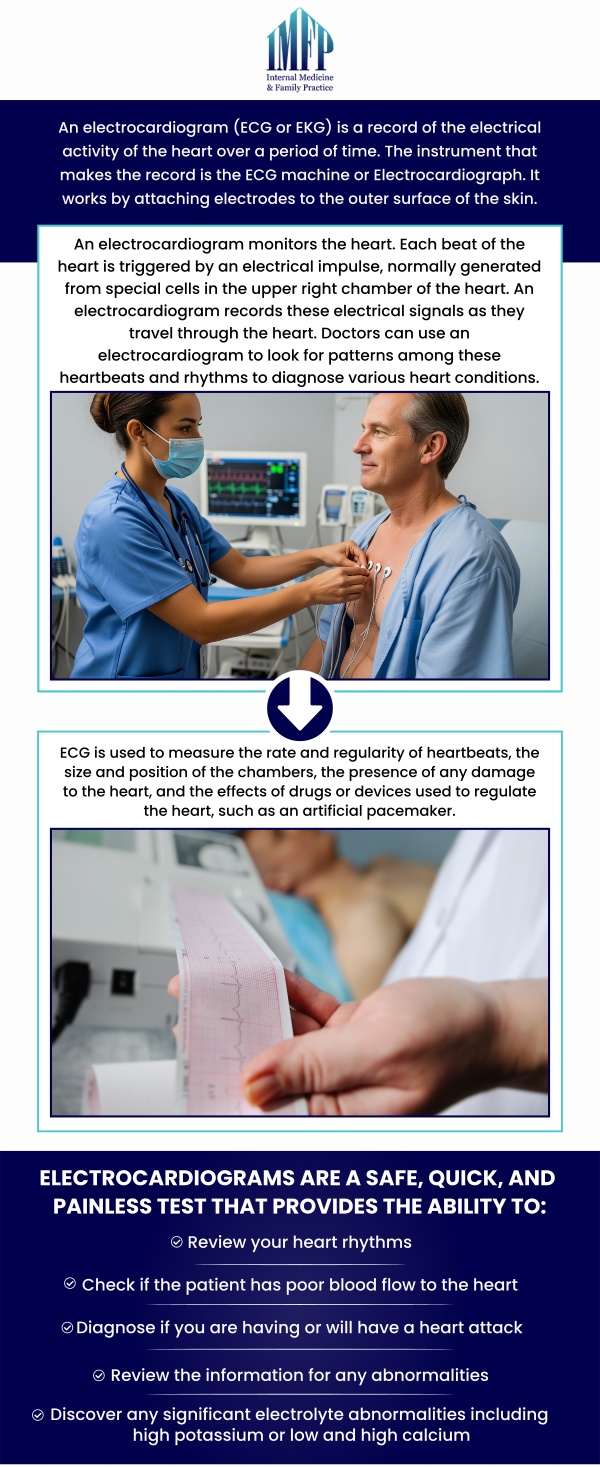
Table of Contents:
What is the difference between an EKG and an ECG?
Why do both terms, EKG and ECG, exist?
Are EKG and ECG tests performed differently?
How do I know if I need an EKG or ECG test, and how can Dr. Wael Mctabi help?
The terms EKG (electrocardiogram) and ECG (electrocardiogram) both refer to the same medical test that measures the electrical activity of the heart. However, the difference lies in the language of the terms. ECG stands for electrocardiogram, derived from the Greek word “kardia,” meaning “heart,” while EKG stands for elektrokardiogram, which is the German version of the term. Both terms describe the same test used to evaluate heart function by recording the electrical signals produced by the heart as it beats.
There is no functional difference between an EKG and an ECG. Both terms are used interchangeably in different regions and medical practices. In the United States, the term “EKG” is more commonly used, while “ECG” is preferred in Europe. Regardless of the terminology, the procedure remains the same, with electrodes placed on the skin to record the heart’s electrical impulses. The test provides valuable insights into heart rate, rhythm, and any underlying heart conditions such as arrhythmias, heart attacks, or heart disease.
The existence of both the terms EKG and ECG comes down to differences in language and regional usage. The term ECG is derived from the electrocardiogram in English, where “cardio” refers to the heart. On the other hand, EKG comes from the German term elektrokardiogramm. The test itself was first developed by a German doctor named Willem Einthoven in the early 20th century, and the German spelling of the word has been widely adopted in many parts of the world, including the U.S. Over time, both terms became widely used in different medical circles.
In the United States, EKG has become the more commonly used abbreviation because of its historical roots. However, in many European countries and other parts of the world, ECG is the preferred term. Despite this difference in terminology, the test itself is identical, and both terms serve the same purpose: to record the heart’s electrical activity and help doctors diagnose heart conditions like arrhythmias, heart attacks, and other cardiovascular issues.
No, EKG and ECG tests are performed in the same way. The only difference between the two terms is their regional usage, but the process of the test and the equipment used remain identical. An EKG (or ECG) is a non-invasive test used to measure the electrical activity of the heart and assess its function. During the test, small electrodes are attached to the skin on the chest, arms, and legs. These electrodes record the electrical impulses generated by the heart as it beats.
The electrical signals are captured and displayed as a series of waves on a monitor or printed on paper, allowing doctors to evaluate the heart’s rhythm, detect any irregularities, and assess overall heart health. The test is commonly used to diagnose conditions like arrhythmias, heart attacks, and heart disease, as well as to monitor heart function during routine check-ups.
At Internal Medicine and Family Practice, the goal is always to provide the most accurate diagnosis of heart conditions using the appropriate tools and tests. Whether referred to as an EKG or ECG, the test is performed in the same manner to gather vital information about your heart health.
The need for an EKG or ECG test depends on your symptoms, medical history, and risk factors for heart disease. If you are experiencing symptoms such as chest pain, shortness of breath, dizziness, irregular heartbeats, or fatigue, Dr. Wael Mctabi may recommend an EKG/ECG to assess your heart’s electrical activity. An EKG can help detect irregular heart rhythms (arrhythmias), previous heart attacks, or signs of heart disease that may not be apparent without this test.
If you have a family history of heart disease or other risk factors like high blood pressure, diabetes, or high cholesterol, your doctor might recommend an EKG/ECG as part of a routine check-up. It’s also commonly used to monitor heart conditions in patients who have already been diagnosed with heart disease or are recovering from surgery or a heart attack.
At Internal Medicine and Family Practice, the decision to perform an EKG or ECG is made based on your symptoms and overall health assessment. Dr. Wael Mctabi can help you determine if this test is necessary by thoroughly reviewing your health history, symptoms, and risk factors. If an EKG/ECG is required, he will guide you through the process and explain the results in detail, ensuring you understand what your heart’s electrical activity reveals about your health.
Dr. Mctabi’s expertise in heart health will allow for accurate diagnoses and appropriate treatment plans, ensuring you receive the best care for any potential heart conditions. For more information, book an appointment online or contact us. We are located at 1719 Glenwood Ave Joliet, IL 60435. We serve patients from Joliet IL, Plainfield IL, Lockport IL, Channahon IL, Romeoville IL, Manhattan IL and surrounding areas.
Check Out Our 5 Star Reviews






 Send Text
 How May I Help You?