
Difference Between HDL Cholesterol and LDL Cholesterol
At Internal Medicine and Family Practice in Joliet, IL, Dr. Wael Mctabi, MD, and Dr. Samiullah Choudry explain the difference between HDL (good) cholesterol and LDL (bad) cholesterol. Maintaining a healthy balance is essential for cardiovascular health. Our team provides personalized recommendations on diet, lifestyle, and medications to manage cholesterol levels and reduce the risk of heart disease. For more information, contact us or book an appointment online today! We are conveniently located at 1719 Glenwood Ave, Joliet, IL 60435.
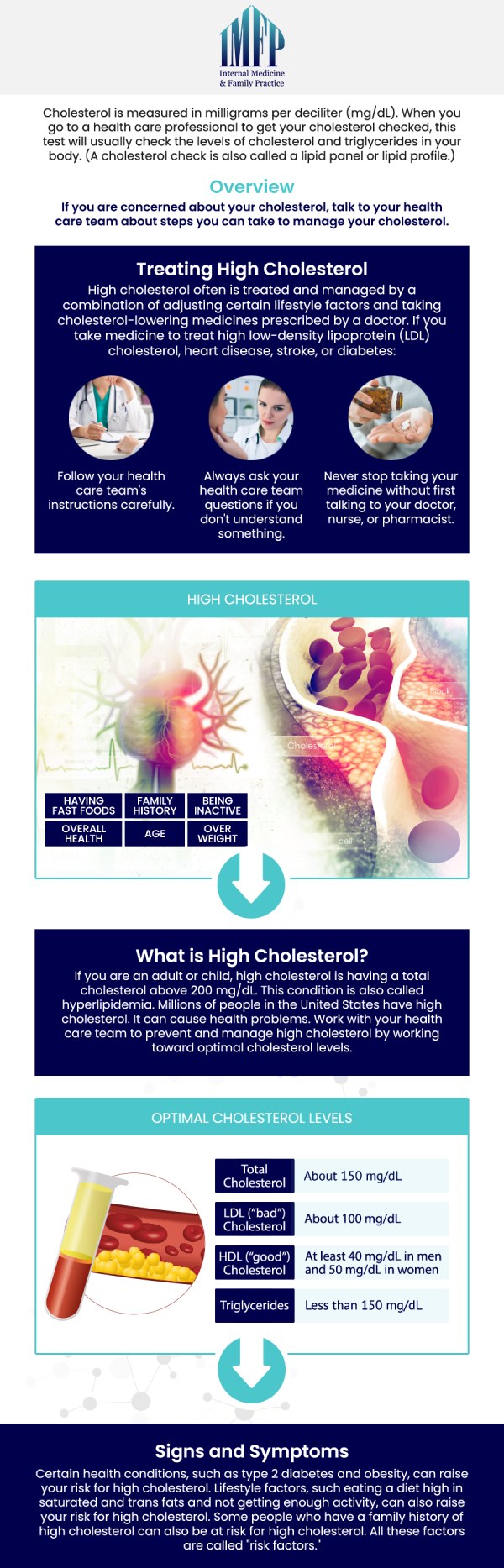
Table of Contents:
What are HDL and LDL cholesterol, and how do they differ?
Why is HDL cholesterol considered “good” and LDL cholesterol considered “bad”?
What role does HDL cholesterol play in heart health?
How does LDL cholesterol affect your cardiovascular system?
How can Internal Medicine and Family Practice in Joliet, IL help manage your cholesterol?
Cholesterol is a waxy, fat-like substance found in your blood, essential for building cell membranes, hormones, and vitamin D. However, not all cholesterol is the same — it travels through the blood in different forms, primarily HDL (high-density lipoprotein) and LDL (low-density lipoprotein).
HDL cholesterol is often referred to as “good cholesterol” because it transports excess cholesterol from the arteries back to the liver, where it can be processed and removed from the body. This process helps prevent the buildup of plaque in the arteries, reducing the risk of atherosclerosis, heart attacks, and strokes.
LDL cholesterol, on the other hand, is known as “bad cholesterol” because it carries cholesterol from the liver to tissues, including the arteries. Excess LDL can deposit cholesterol in arterial walls, leading to plaque formation, which narrows blood vessels and increases the risk of cardiovascular disease.
At Internal Medicine and Family Practice in Joliet, IL, our providers assess both HDL and LDL levels to provide a complete picture of cardiovascular risk. Understanding the balance between these two types of cholesterol is crucial for the prevention, early detection, and management of heart disease.
HDL is considered “good” because it plays a protective role in heart health. By removing cholesterol from the arteries and transporting it to the liver, HDL reduces plaque buildup, improves blood flow, and helps prevent heart attacks and strokes. Higher HDL levels are generally associated with lower cardiovascular risk.
LDL is considered “bad” because high levels contribute to cholesterol deposits in artery walls, forming plaques that can narrow or block blood flow. This can lead to coronary artery disease, peripheral artery disease, and stroke. While LDL is necessary for cellular functions, too much LDL is harmful, especially when combined with low HDL, high triglycerides, smoking, diabetes, or hypertension.
Our team at Internal Medicine and Family Practice emphasizes cholesterol management through lifestyle modifications, monitoring, and medications, if needed. Patients learn how to increase HDL, reduce LDL, and maintain a healthy balance for optimal heart health.
HDL cholesterol protects the heart in several ways:
● Reverse cholesterol transport: HDL collects cholesterol from tissues and plaques in the arteries and brings it to the liver for removal.
● Anti-inflammatory effects: HDL reduces inflammation in blood vessels, which can slow the progression of atherosclerosis.
● Antioxidant properties: HDL helps neutralize oxidized cholesterol, which is more likely to contribute to plaque formation.
● Improved endothelial function: HDL supports healthy blood vessel walls, maintaining flexibility and reducing the risk of vascular damage.
At Internal Medicine and Family Practice, we assess HDL levels during routine lipid panels and provide individualized recommendations to improve them. Strategies may include dietary changes, regular exercise, and targeted therapies, ensuring HDL supports overall cardiovascular protection.
Excess LDL cholesterol contributes to the formation of plaques in arteries, a process called atherosclerosis. Over time, these plaques can:
● Narrow arteries reduce blood flow to the heart, brain, or limbs.
● Cause blood clots if plaque ruptures, potentially leading to a heart attack or stroke.
● Contribute to chronic inflammation, further weakening vessel walls.
LDL levels are influenced by dietary habits, genetics, physical activity, and underlying health conditions. High LDL combined with low HDL significantly increases cardiovascular risk.
At Internal Medicine and Family Practice, we evaluate LDL levels and overall lipid profiles to develop personalized treatment plans. This may include nutrition counseling, exercise plans, lifestyle interventions, and medications when necessary to reduce LDL and protect cardiovascular health.
Managing cholesterol is a key part of preventive care and ongoing cardiovascular health. At Internal Medicine and Family Practice, our team provides a comprehensive approach that includes:
● Screening and monitoring: We offer routine lipid panels to track HDL, LDL, triglycerides, and total cholesterol levels.
● Lifestyle guidance: Providers recommend heart-healthy diets, regular exercise, and stress management to optimize cholesterol balance.
● Personalized treatment plans: Based on your lab results, family history, and risk factors, we design plans to lower LDL, raise HDL, and reduce overall cardiovascular risk.
● Medication management: When lifestyle modifications aren’t sufficient, our team may prescribe cholesterol-lowering medications and closely monitor for effectiveness and safety.
● Education and support: Patients receive clear explanations of test results, actionable steps to improve heart health, and guidance on how to maintain improvements long-term.
By combining preventive screening, lifestyle intervention, and medical management, Internal Medicine and Family Practice empowers patients to take control of their cholesterol and overall heart health. Our patient-centered approach ensures that every individual receives tailored guidance, follow-up care, and support throughout their cardiovascular wellness journey. For more information, contact us or book an appointment online today! We are conveniently located at 1719 Glenwood Ave Joliet, IL 60435. We serve patients from Joliet IL, Plainfield IL, Lockport IL, Channahon IL, Romeoville IL, Manhattan IL and surrounding areas.
Check Out Our 5 Star Reviews






 Send Text
 How May I Help You?