

How Does Neurological Health Impact Your Overall Wellness?
Neurological health plays a critical role in your overall well-being, as the brain and nervous system control essential functions throughout the body. When neurological health is compromised, it can lead to a range of physical, emotional, and cognitive issues that affect daily life. Dr. Abdusslam Choudry at Internal Medicine and Family Practice provide comprehensive care to support neurological health and promote overall wellness. For more information, book an appointment online or contact us. We are located at 1719 Glenwood Ave Joliet, IL 60435.
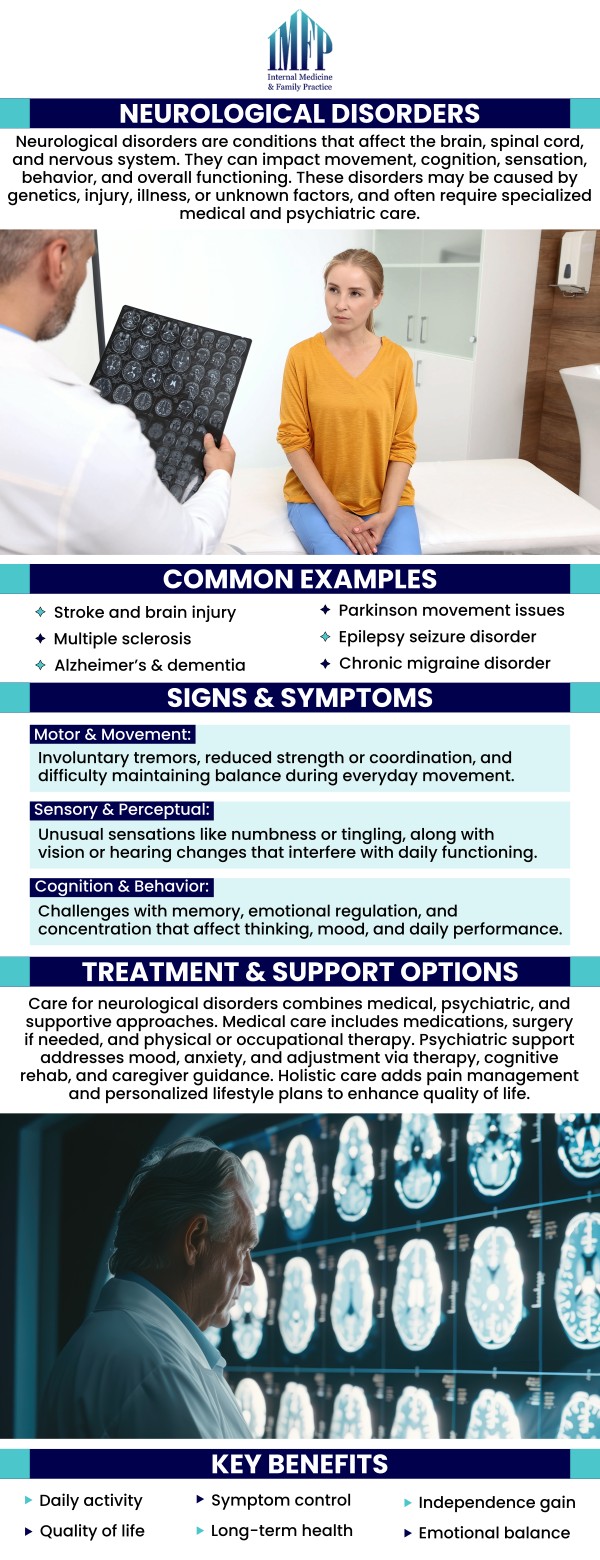
Table of Contents:
How does neurological health affect overall wellness?
What body systems are connected to neurological health?
What are common signs of neurological health concerns?
Can neurological issues affect daily functioning?
How does Dr. Abdusslam Choudry explain the impact of neurological health on overall wellness?
Neurological health plays a crucial role in overall wellness because the brain and nervous system control and regulate almost every bodily function. The nervous system is responsible for communication between the brain and other parts of the body, including the heart, muscles, organs, and immune system. When the neurological system is compromised, it can lead to a cascade of issues affecting not just cognitive functions but also physical, emotional, and social health.
For example, brain health influences mood regulation, decision-making, memory, and motor coordination. Conditions such as stroke, dementia, or Parkinson’s disease can significantly impair these functions, leading to decreased quality of life. Additionally, neurological issues often affect sleep patterns, immune function, and even digestive health, making the body more vulnerable to other illnesses.
Our team at Internal Medicine and Family Practice emphasizes that maintaining good neurological health is essential for overall wellness. Regular check-ups and proactive health measures—such as managing stress, avoiding neurotoxic substances, and engaging in physical and mental exercises—can help support brain function and prevent many neurological conditions.
Neurological health is intricately connected to multiple body systems, given that the nervous system is responsible for regulating the functions of nearly every system in the body. Key systems connected to neurological health include:
● Musculoskeletal system: The brain and spinal cord control motor skills, movement, and muscle coordination. Damage to the nervous system can lead to issues such as weakness, tremors, or paralysis.
● Cardiovascular system: The nervous system regulates heart rate and blood pressure. Neurological problems, such as a stroke or autonomic dysfunction, can result in irregular heart rhythms or blood pressure fluctuations.
● Respiratory system: The brainstem controls breathing patterns. Neurological conditions like sleep apnea or neuromuscular disorders can interfere with the breathing process.
● Endocrine system: The brain controls the release of hormones that regulate metabolism, stress, and growth. Problems with the brain’s hypothalamus or pituitary gland can disrupt hormonal balance, leading to metabolic disorders.
● Immune system: The nervous system interacts with the immune system to maintain homeostasis. Chronic neurological conditions can affect immune response, increasing susceptibility to infections.
Our experts from Internal Medicine and Family Practice stress the importance of an integrated approach to healthcare, where neurological health is considered alongside other body systems for a holistic treatment plan.
Neurological health concerns often present with a range of symptoms depending on the underlying condition, but some common signs include:
● Cognitive changes: Issues like memory loss, confusion, difficulty concentrating, or disorientation can indicate neurological problems such as dementia, Alzheimer’s disease, or concussions.
● Motor issues: Difficulty with balance, coordination, or fine motor skills, as well as involuntary movements like tremors, can signal neurological conditions such as Parkinson’s disease or multiple sclerosis.
● Sensory changes: Numbness, tingling, or a loss of sensation, especially in the limbs, may be linked to nerve damage or neuropathy caused by diabetes, injury, or conditions like Guillain-Barré syndrome.
● Headaches and migraines: Chronic or severe headaches, especially those with sudden onset or changes in pattern, can be a sign of neurological issues like migraines, brain tumors, or intracranial pressure problems.
● Mood disorders: Depression, anxiety, and mood swings may be connected to conditions such as stroke, traumatic brain injury, or neurodegenerative diseases.
Our experts in Internal Medicine and Family Practice advise that anyone experiencing unexplained changes in mental function, movement, or sensory perception should seek a neurological evaluation, as early intervention can prevent more serious complications.
Yes, neurological issues can significantly affect daily functioning. The nervous system controls nearly every aspect of human life, from basic motor functions to higher cognitive abilities. When neurological health is compromised, it can lead to difficulties with communication, mobility, and independence, impacting a person’s ability to perform daily activities.
Conditions such as stroke, Parkinson’s disease, multiple sclerosis, and dementia can impair motor skills, balance, and coordination, making tasks like walking, cooking, or dressing more difficult. Cognitive impairments can interfere with memory, problem-solving, and decision-making, which may affect one’s ability to work, manage finances, or maintain social relationships. In severe cases, neurological problems may require assistance with basic activities like eating or bathing.
Our team at Internal Medicine and Family Practice emphasize the importance of managing neurological health through regular check-ups and early intervention. They offer a range of diagnostic tests and treatments designed to minimize the impact of neurological disorders and improve quality of life, including medication, therapy, and lifestyle recommendations.
Dr. Abdusslam Choudry, at Internal Medicine and Family Practice, stresses that neurological health is fundamental to overall wellness because the brain and nervous system influence every other part of the body. They explain that poor neurological health can lead to disruptions in mood, mobility, cognition, and even vital functions such as breathing and heart rate. These issues not only impact the individual’s quality of life but can also contribute to other health problems like cardiovascular disease, sleep disorders, and mental health issues.
Both doctors advocate for a comprehensive approach to healthcare, where neurological health is prioritized alongside other conditions. They highlight the importance of early diagnosis, lifestyle changes, and targeted therapies in managing neurological conditions. Dr. Wael and Dr. Samiullah use a combination of advanced diagnostic tools, personalized treatment plans, and patient education to support individuals in maintaining optimal neurological health.
For more information, book an appointment online or contact us. We are located at 1719 Glenwood Ave Joliet, IL 60435. We serve patients from Joliet IL, Plainfield IL, Lockport IL, Channahon IL, Romeoville IL, Manhattan IL and surrounding areas.
Check Out Our 5 Star Reviews






 Send Text
 How May I Help You?